
Housing that supports a stable start

Where somebody lives can make a big difference to how settled they feel, especially if they have already been through a difficult period. The property, location and wider environment all matter because they can either help somebody feel more secure or make things harder.

Creating a Home, not an institution

People usually benefit from somewhere that feels like a home, not somewhere clinical or institutional. That is why we consider lighting, doors, soft furnishings, colours, room layout and room size, as well as the practical side, because those details can affect how safe and comfortable somebody feels.

Person walking away on a paved sidewalk in a park, carrying two bags, with cars and buildings nearby

Location and who else lives there

The property itself can be right, but the location or the people already living there can still make things difficult. We look at the surrounding area, access to local services and other residents, including any safety concerns, previous relationships or risks that may matter.
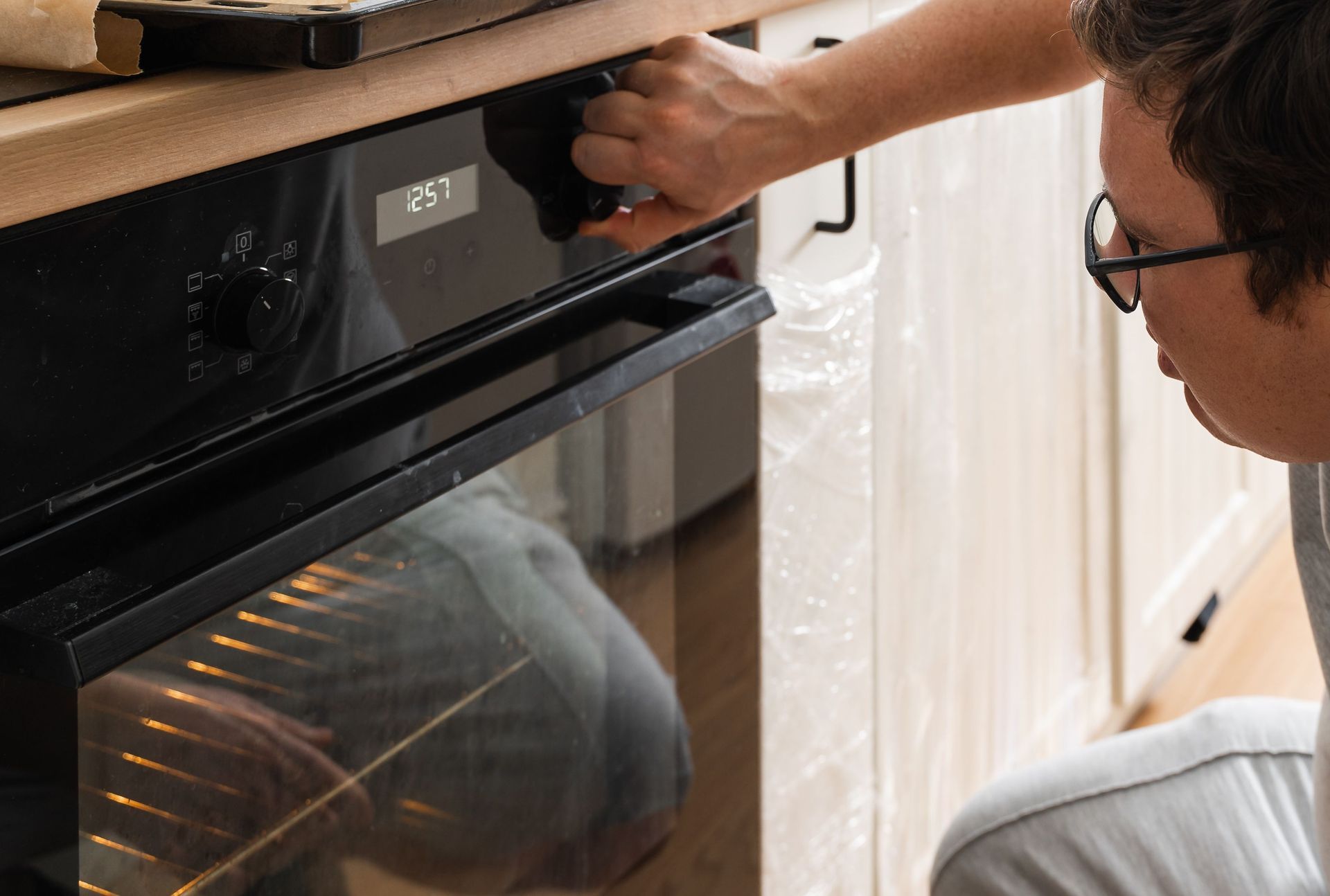
Person adjusting the controls on a black built-in oven while baking inside.

Safe, warm and properly maintained

People should be able to live somewhere that is safe, warm and properly looked after. They should not have to deal with unnecessary property problems while trying to get other parts of their life back on track, so repairs, utilities and maintenance are properly managed.
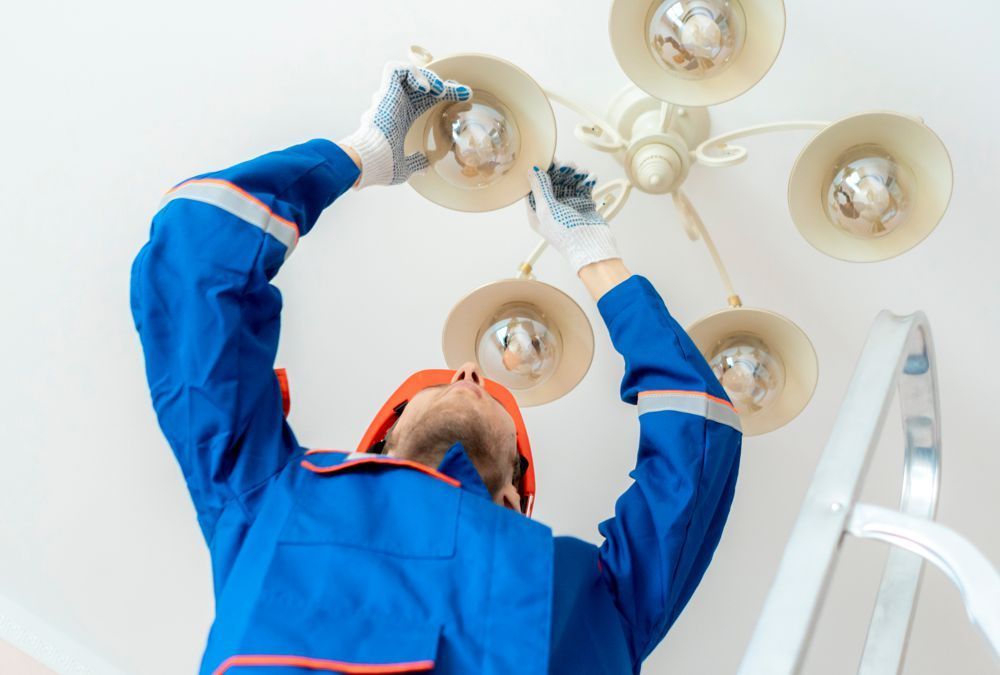
Worker in blue coveralls changing a ceiling light fixture on a ladder
  • Property sourcing – Identifying a suitable property

    Finding accommodation is not simply about identifying an available room. The property needs to suit the person being referred. Location, practical requirements and the wider living environment all need considering. This gives the individual a safer, more settled starting point and the referral partner greater confidence.

  • Property suitability – Accommodation that suits the individual

    A property may be available without being suitable for the individual. Suitability depends on more than the room itself. The location, wider environment, practical requirements and other residents all matter. These factors help establish whether the accommodation is genuinely right for the person being referred.

  • Location suitability – Considering the wider environment

    Location can make a significant difference to whether a placement is suitable. The wider environment also needs to be considered carefully. Safety, practical needs and the individual’s circumstances all form part of that decision. The aim is a placement that remains appropriate after move-in over time.

  • Individual accommodation needs – Reflecting individual circumstances

    Different people will have different accommodation requirements and circumstances. These need to be considered before deciding whether a placement is suitable. Practical needs, location, safety and the wider environment all play a part. The purpose is to find accommodation that reflects the individual, not simply availability.

  • Resident property matching – Who else lives there

    Who already lives in the property can affect whether a placement is right. Existing residents form part of the wider living environment. Their presence needs considering alongside location, practical requirements and the individual’s circumstances. This helps establish whether the accommodation is suitable before the person moves in.

  • Property standards and condition – Refurbished to defined standards

    The condition and feel of the property are both important. Accommodation is refurbished to a defined landlord specification. Lighting, doors, soft furnishings, room layout, colours and room size are considered. The aim is a safe, warm, welcoming environment that feels more like home than a clinical setting.

  • Ongoing property management – Maintaining a suitable placement

    A suitable placement needs to remain suitable after the person moves in. The property, location and wider environment continue to matter. Other residents and the individual’s circumstances can also affect suitability. Tenant feedback forms part of understanding whether the accommodation continues to work for the person.

  • Repairs and maintenance – Maintaining property standards

    Maintaining property standards is part of keeping accommodation suitable after move-in. The property should remain safe, warm and welcoming. Its condition needs to reflect the defined housing specification. This supports an environment that continues to feel appropriate for the individual. It is not simply an available room.

Each placement starts with understanding the person, not simply finding an available room.

Preparing someone for move-in

Moving into somewhere new can be a lot to take in, particularly for somebody already dealing with change. We go through fire exits, utilities, emergency contacts, safety procedures and the internal calling system, so they understand how the property works and where to go for help.

Checking the accommodation is appropriate

Before somebody moves in, we look at the whole picture, including the location, other residents, known risks, safety requirements and practical needs that could affect day-to-day life. The aim is to spot potential problems before the move happens, rather than discovering them afterwards.

Talk through the referral

If you have somebody you are thinking about referring, the best place to start is to talk through what they need from the accommodation. That might include location, safety, who they could live with and practical requirements, so we can judge whether the property is right.